Engineering Log

The Lab: Where Physics Defines the Player Experience.

We don't ship features; we ship authored experiences. Every frame, every collision, every interaction is the result of a deliberate technical choice designed to make the impossible feel inevitable.

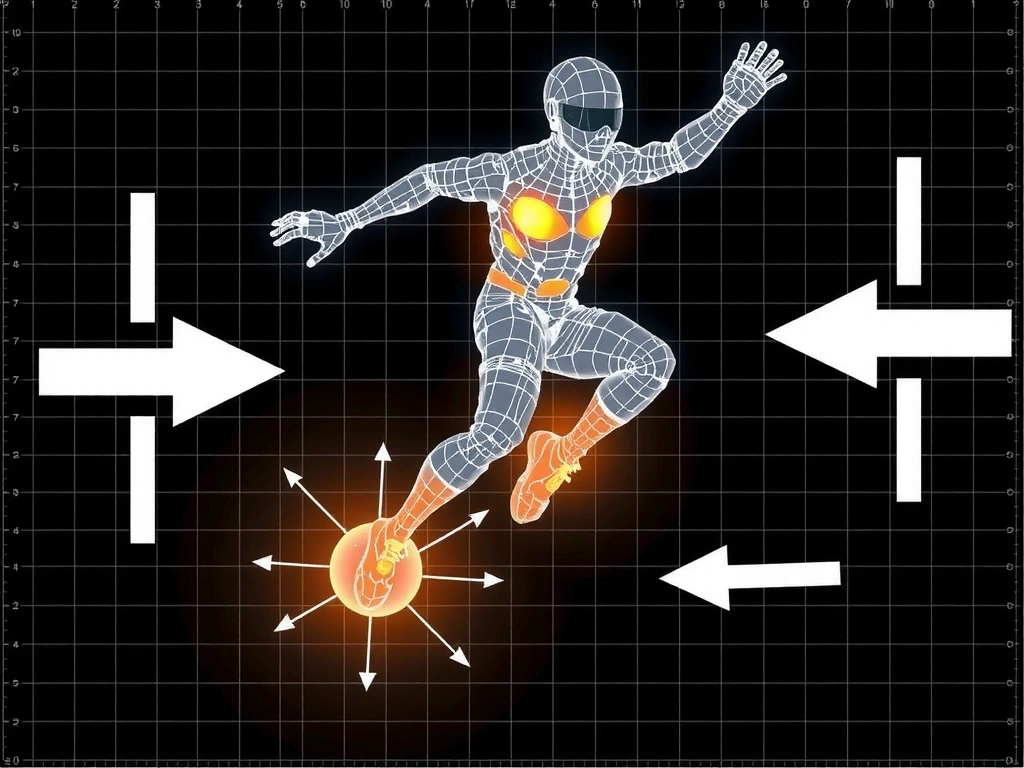
Physics Engine Schematic

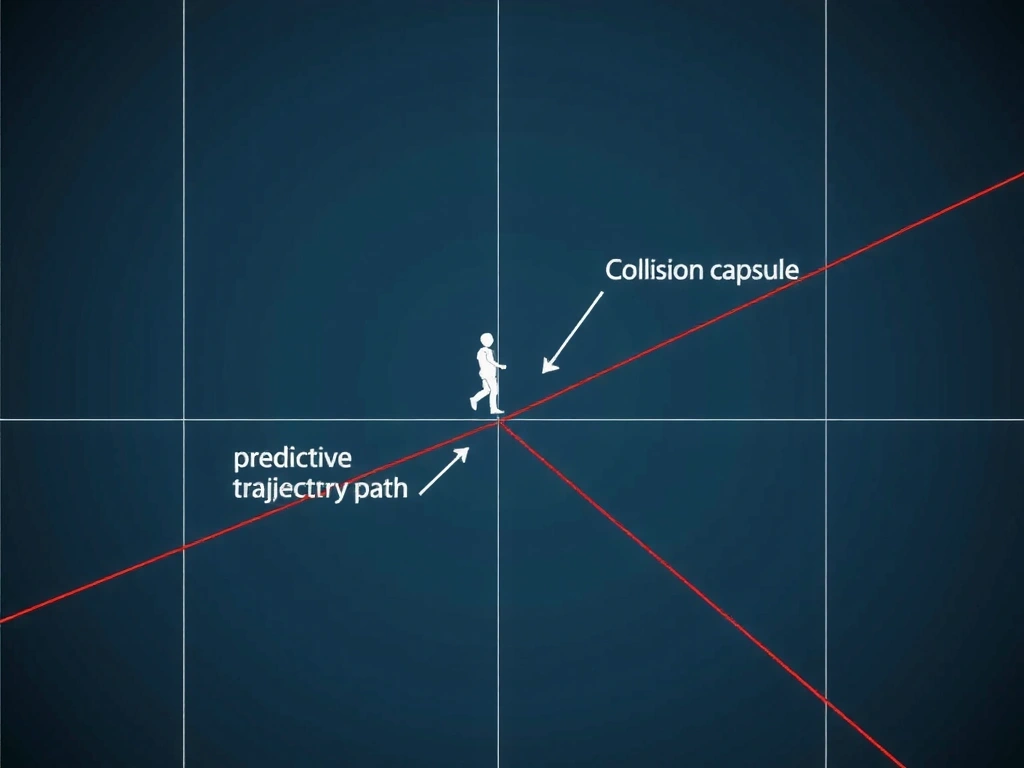
Fig. 1: Kinetic Middleware visualization. Collision prediction model active (3-frame lookahead).

The Constraint Matrix

Mobile: The Latency Wall

Touch input to screen response is a physical delay we cannot eliminate. Our architecture doesn't fight it; it anticipates it. We pre-render touch zones and use predictive algorithms to smooth thumbstick inputs, turning hardware limitation into a perceived fluidity.

Trade-off: Increases memory footprint by 8% for input buffers.

PC: GPU Fragmentation

The "one-size-fits-all" shader pipeline is a myth. We build per-GPU class profiles. A player on integrated graphics gets a clean, sharp aesthetic. A player on a RTX card gets volumetric fog and particle density. The codebase remains unified; the asset loadout is dynamic.

Trade-off: Requires 3x the QA cycles for visual consistency.

Console: The Certification Labyrinth

Performance budgets are absolute. Our engine includes a "Cert Mode" – a pre-flight checklist that auto-flags frame drops, memory spikes, and crash risks before submission. It's a technical guardrail, not a suggestion.
"We gave the lead artist a simple ramp and asked for 'satisfying slides'. We didn't get a feature list; we got a conversation about friction coefficients. That's the difference between building a game and engineering an experience."
— Lead Systems Engineer, Project 'Echo'
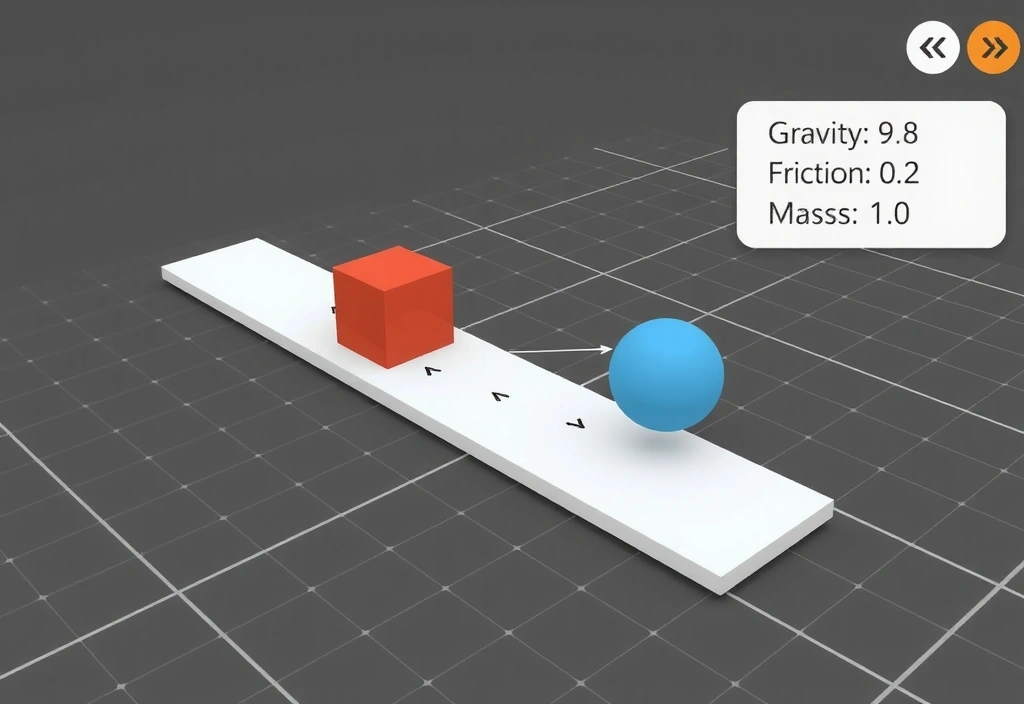
Physics Sandbox Simulation

Interactive Sandbox

Drag objects, adjust gravity sliders, and toggle collision meshes.

The Sandbox Workflow

1

Blockout

Place simple geometric primitives to test level geometry and sightlines. No art.

2

Physics Tuning

Use the sandbox to dial in gravity, friction, and object mass. This is where the 'feel' is born.

3

Art Pass

Replace primitives with final art. The physics model remains unchanged.

4

Polish & Test

Run final performance profiles. The sandbox allows us to isolate variables for rapid iteration.

The Methodology in Practice

Collision Prediction Debug
Tooling

Predictive Collision Lines

Real-time visualization of our 3-frame lookahead system. The green line shows the predicted path; red indicates a predicted collision.

"It turns debugging from guesswork into a geometry problem." — Senior QA

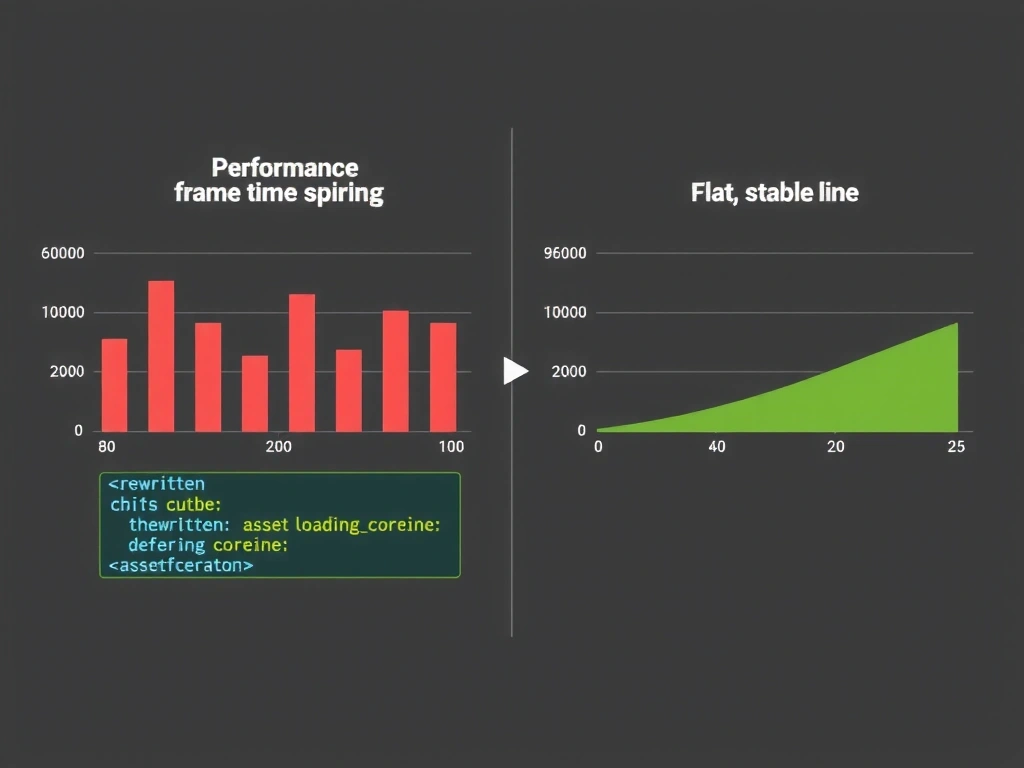
Frame Time Optimization
Optimization

Frame Time Stabilization

Post-launch patch data showing the impact of moving asset loading to a background thread. Micro-stutters vanished from 15% of user sessions.

Trade-off: Initial load screen increased by 2.1 seconds.

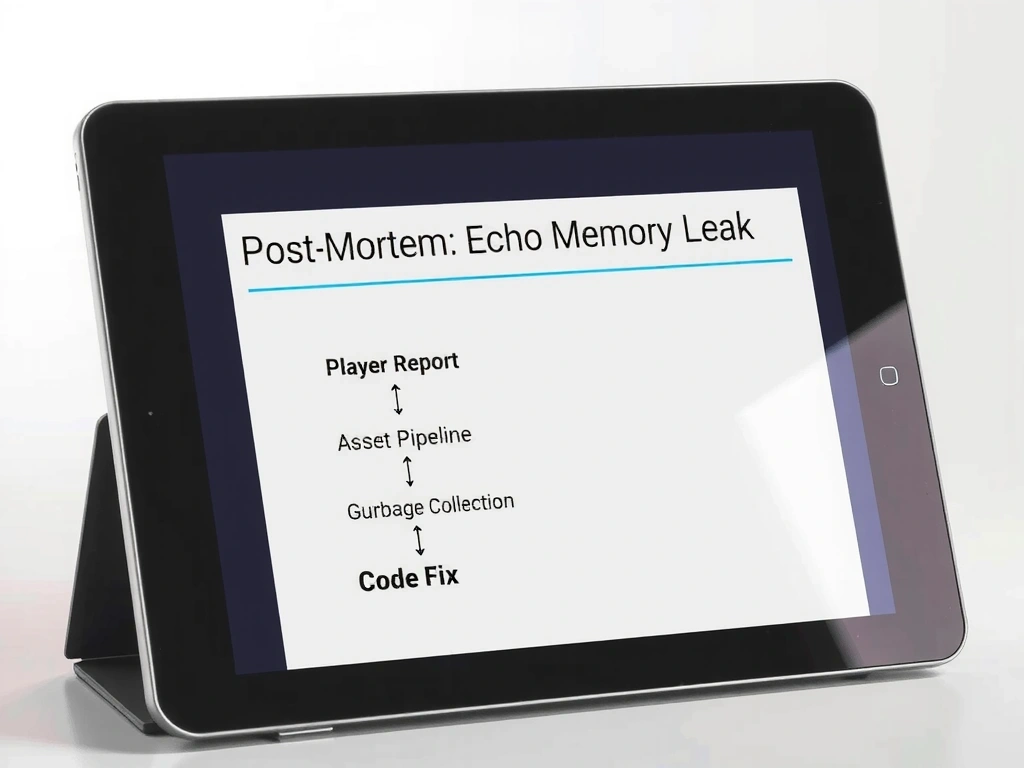
Post-Mortem Flowchart
Process

Post-Mortem Blueprint

The documented path from a single crash report to a systemic fix. We don't patch leaks; we redesign the reservoir.

"The goal is a fix that prevents an entire class of bugs." — Lead Producer

40%

Reduction in post-launch bug reports attributed to predictive middleware.

3-Frame

Lookahead collision prediction. The 'feel' of near-misses becomes intentional.

100%

Blameless post-mortems. We fix systems, not people.

Ready to See the Blueprint?

Our technical audit goes beyond surface-level advice. We dive into your core architecture.